Exploring Fijian Kava: A Cultural Treasure with Health Benefits
Nestled in the heart of the South Pacific, Fiji is renowned for its stunning landscapes, warm hospitality, and a unique cultural gem known as kava. This traditional drink holds a significant place in Fijian society, offering not just a beverage, but a symbol of community, relaxation, and ceremonial importance. Let’s delve into the world of Fijian kava, exploring its types, benefits, and cultural significance.
Types of Fijian Kava
Fijian kava primarily comes in two main varieties: Waka and Lawena. Each type is distinguished by its origin, potency, and preferred use:
1. Waka Kava: Known for its strong and potent effects, Waka kava is made from the lateral roots of the kava plant (Piper methysticum). It is traditionally favored for ceremonies and social gatherings where its robust properties are appreciated.
2. Lawena Kava: In contrast, Lawena kava is made from the basal roots and stump of the kava plant. It is milder in strength compared to waka and is often chosen for daily consumption, providing a more relaxed and soothing experience.
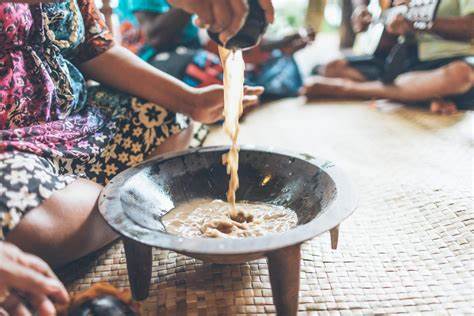
Both types undergo a preparation process that involves grinding and soaking the kava root in water, producing a thick, earthy brew that is central to Fijian social life.
Health Benefits of Fijian Kava
Beyond its cultural significance, Fijian kava offers several potential health benefits:
– Relaxation and Stress Relief: Kava is widely appreciated for its calming effects, helping to alleviate stress and promote relaxation without impairing mental clarity.
– Improved Sleep: Many users report that kava can aid in achieving deeper sleep, making it a popular choice for those with insomnia or sleep disturbances.
– Muscle Relaxation: The plant compounds in kava have muscle-relaxing properties, offering relief from tension and mild pain.
– Support for Mental Wellbeing: Some studies suggest that kava may have mood-enhancing properties, potentially assisting in managing anxiety and promoting a sense of well-being.
While these benefits are promising, it’s important to consume kava responsibly and in moderation, as excessive consumption or improper preparation can lead to adverse effects on health.
Cultural Significance of Kava in Fiji
In Fijian culture, kava holds a revered place in both everyday life and significant ceremonies. Known locally as yaqona, it is deeply intertwined with social rituals, community gatherings, and traditional ceremonies. The act of preparing and sharing kava fosters bonds among participants, symbolizing respect, unity, and hospitality.
Moreover, kava ceremonies play a pivotal role in Fijian customs, including welcoming visitors, honoring special guests, or marking important milestones such as weddings and births. The rituals associated with kava are steeped in etiquette and tradition, reflecting the values of respect, generosity, and communal harmony that define Fijian society.
Fijian kava transcends being just a beverage; it embodies centuries of tradition, cultural identity, and communal spirit. Whether enjoyed for its health benefits, its soothing effects, or its role in fostering social connections, kava remains a cherished part of Fijian life. As its popularity spreads beyond the Pacific, it continues to captivate and enrich the lives of those who partake in its unique blend of culture and wellness.